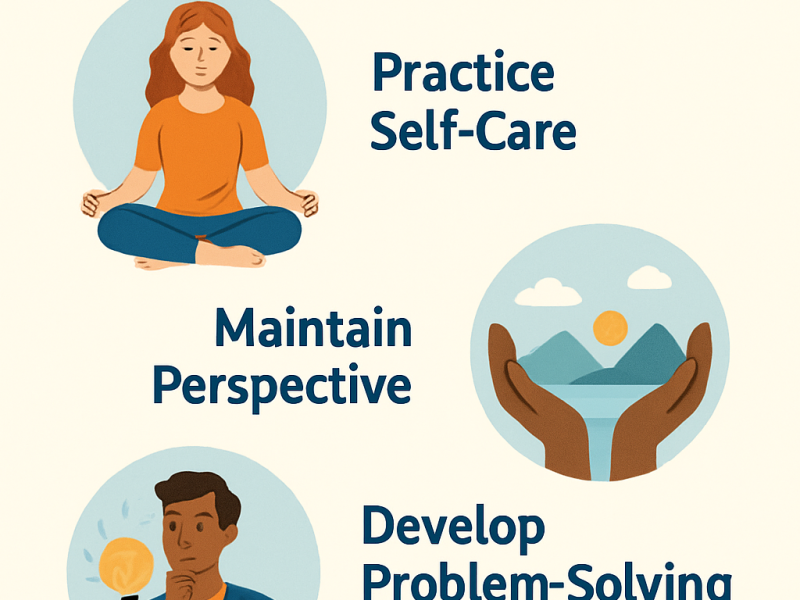

As the population ages, it’s becoming increasingly important to focus on managing chronic conditions in older adults. From arthritis to diabetes to heart disease, many seniors are dealing with one or more chronic health issues on a daily basis. In this article, we’ll explore some tips and strategies for effectively managing chronic conditions in older adults.
Importance of Management
Chronic conditions can have a significant impact on the quality of life for older adults. They can lead to pain, difficulty performing daily tasks, and a decreased ability to enjoy life to the fullest. Effective management of chronic conditions is crucial in order to minimize these negative effects and help seniors live healthier, more fulfilling lives.
Consult with Healthcare Providers
One of the first steps in managing chronic conditions in older adults is to consult with healthcare providers. This may include primary care physicians, specialists, physical therapists, and other healthcare professionals. These experts can help develop personalized treatment plans tailored to the individual’s specific needs and health goals.
Medication Management
Many older adults with chronic conditions rely on medications to manage their health. It’s important to ensure that medications are taken as prescribed and that any potential interactions are carefully monitored. Regular consultations with healthcare providers can help ensure that medications are working effectively and are not causing any adverse side effects.
Healthy Lifestyle Choices
Healthy lifestyle choices can play a significant role in managing chronic conditions in older adults. This includes maintaining a balanced diet, engaging in regular physical activity, getting enough sleep, and managing stress. These lifestyle choices can help improve overall health and well-being, making it easier to manage chronic conditions.
Regular Monitoring
Regular monitoring of chronic conditions is essential for effective management. This may include regular check-ups with healthcare providers, monitoring blood sugar levels or blood pressure at home, and tracking symptoms. By staying vigilant and proactive, older adults can better manage their chronic conditions and make adjustments as needed.
Support Networks
Managing chronic conditions can be challenging, especially for older adults who may be dealing with multiple health issues. Having a strong support network in place can make a big difference. This may include family members, friends, support groups, or counselors who can offer encouragement, advice, and emotional support.
Adaptive Technology
Advances in technology have made managing chronic conditions easier and more convenient than ever. From smartphone apps that track medication schedules to wearable devices that monitor heart rate and activity levels, there are a wide range of tools available to help older adults manage their health. By embracing adaptive technology, seniors can take a more active role in their own healthcare.
Conclusion
As the number of older adults with chronic conditions continues to rise, it’s more important than ever to focus on effective management strategies. By consulting with healthcare providers, maintaining healthy lifestyle choices, and utilizing support networks and adaptive technology, seniors can better manage their chronic conditions and live healthier, more fulfilling lives.
Remember, it’s never too late to start taking control of your health and well-being. By proactively managing chronic conditions, older adults can enjoy a better quality of life for years to come.
So, don’t wait any longer – start implementing these strategies today and take the first steps towards managing chronic conditions in older adults!