As we age, our risk of falling and suffering serious injuries increases. Falls are the leading cause of injury-related deaths among older adults, and they can have a significant impact on a person’s quality of life. That’s why it’s important to take steps to prevent falls and reduce the risk of injury in the elderly.
Identifying Risk Factors
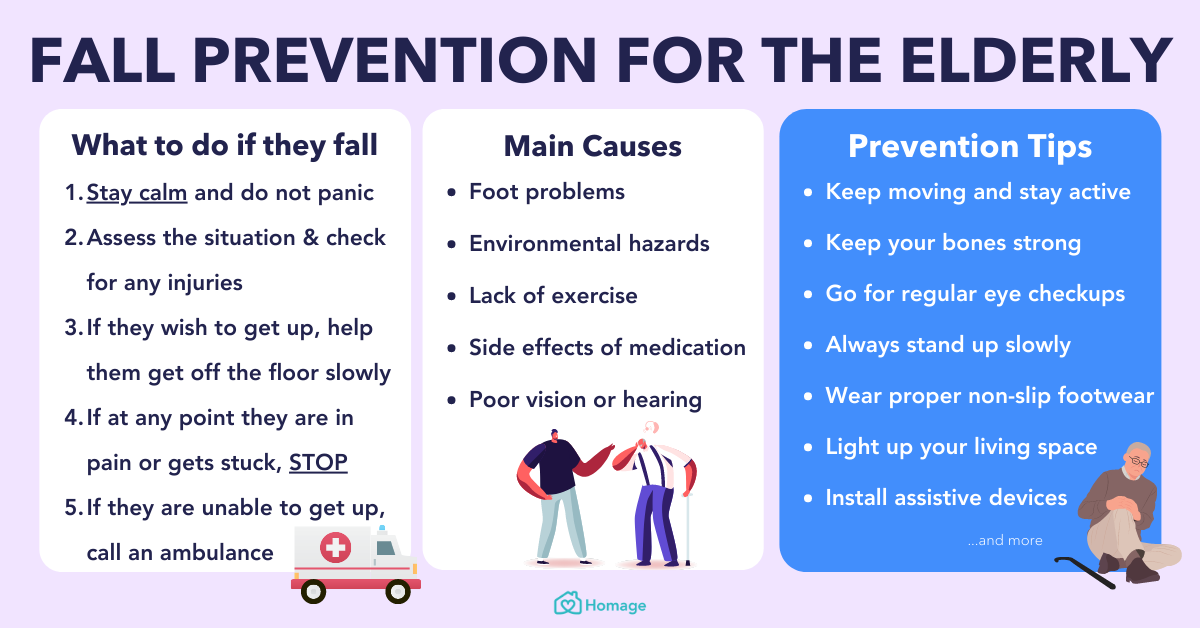
One of the first steps in fall prevention is identifying the risk factors that can increase a person’s chances of falling. Some common risk factors for falls in the elderly include:
Poor balance and coordination
Muscle weakness
Poor vision
Medication side effects
Environmental hazards, such as slippery floors or uneven surfaces
Creating a Safe Environment
One of the most effective ways to prevent falls in the elderly is to create a safe living environment. This can include:
Removing tripping hazards, such as loose rugs or clutter
Installing grab bars in the bathroom and shower
Improving lighting in dark areas of the home
Using non-slip mats in the bathtub and shower
Exercise and Physical Therapy
Regular exercise and physical therapy can help improve strength, balance, and coordination, reducing the risk of falls in the elderly. Some beneficial exercises for fall prevention include:
Strength training exercises, such as lifting weights or using resistance bands
Balance exercises, such as standing on one leg or practicing tai chi
Flexibility exercises, such as stretching or yoga
Medication Management
Many medications can have side effects that increase the risk of falls in the elderly. It’s important to review all medications with a doctor or pharmacist to identify any that may be contributing to falls. Some medications, such as sedatives or antidepressants, can affect balance and coordination, so it’s essential to discuss any concerns with a healthcare provider.
Educating and Empowering
Education is a key component of fall prevention in the elderly. By teaching individuals about the risks of falls, the importance of maintaining strength and balance, and how to create a safe living environment, we can empower them to take control of their health and reduce their risk of injury. Encouraging regular check-ups with a healthcare provider and discussing any concerns about falls can also help identify and address potential issues before they lead to an injury.
Conclusion
Preventing falls and injuries in the elderly requires a multi-faceted approach that includes identifying risk factors, creating a safe environment, engaging in regular exercise, managing medications, and educating and empowering individuals to take control of their health. By following these steps and working with healthcare providers, we can help our loved ones stay safe and healthy as they age.