
As technology continues to advance, so does our ability to combat the spread of diseases. With the rise of global pandemics like COVID-19, it has become more important than ever to practice good hygiene to protect ourselves and those around us. In this article, we will discuss some of the best hygiene practices for disease control that can be implemented in our daily lives.
Hand Hygiene
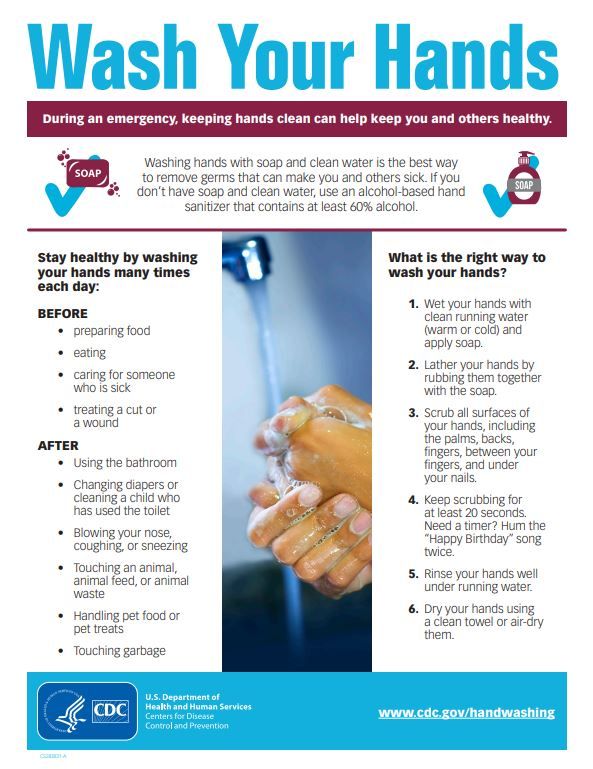
One of the most effective ways to prevent the spread of diseases is by practicing good hand hygiene. This includes washing your hands regularly with soap and water for at least 20 seconds, especially after using the restroom, before eating, and after coughing or sneezing. In situations where soap and water are not available, using hand sanitizer with at least 60% alcohol can also be effective in killing germs.
Respiratory Hygiene
Another important aspect of disease control is practicing good respiratory hygiene. This includes covering your mouth and nose with a tissue or your elbow when coughing or sneezing to prevent the spread of germs. It is also important to dispose of used tissues properly and wash your hands immediately after coughing or sneezing.
Surface Hygiene
In addition to personal hygiene practices, it is also important to maintain clean and disinfected surfaces to prevent the spread of diseases. Regularly cleaning and disinfecting commonly touched surfaces such as doorknobs, light switches, and countertops can help reduce the risk of spreading germs. Using disinfectant sprays or wipes that are effective against viruses and bacteria can help ensure that surfaces are properly sanitized.
Social Distancing
Social distancing plays a crucial role in disease control by reducing the spread of germs between individuals. Keeping a safe distance from others, especially in crowded areas, can help minimize the risk of transmission. Avoiding large gatherings and staying home when feeling unwell are also important practices to prevent the spread of diseases.
Personal Protective Equipment
Wearing personal protective equipment, such as face masks and gloves, can provide an additional layer of protection against diseases. Face masks help prevent the spread of respiratory droplets, while gloves can reduce the risk of coming into contact with contaminated surfaces. It is important to use PPE properly and dispose of them safely after each use to minimize the risk of contamination.
Healthy Lifestyle Choices
Finally, maintaining a healthy lifestyle through regular exercise, a balanced diet, and adequate sleep can help strengthen your immune system and reduce your risk of contracting diseases. Engaging in activities that promote overall wellness can help support your body’s natural defenses and improve your ability to fight off infections.
In conclusion, incorporating these best hygiene practices into your daily routine can help protect yourself and others from the spread of diseases. By following proper hand hygiene, respiratory hygiene, surface hygiene, social distancing, using personal protective equipment, and maintaining a healthy lifestyle, you can contribute to disease control efforts and help create a safer and healthier environment for everyone.