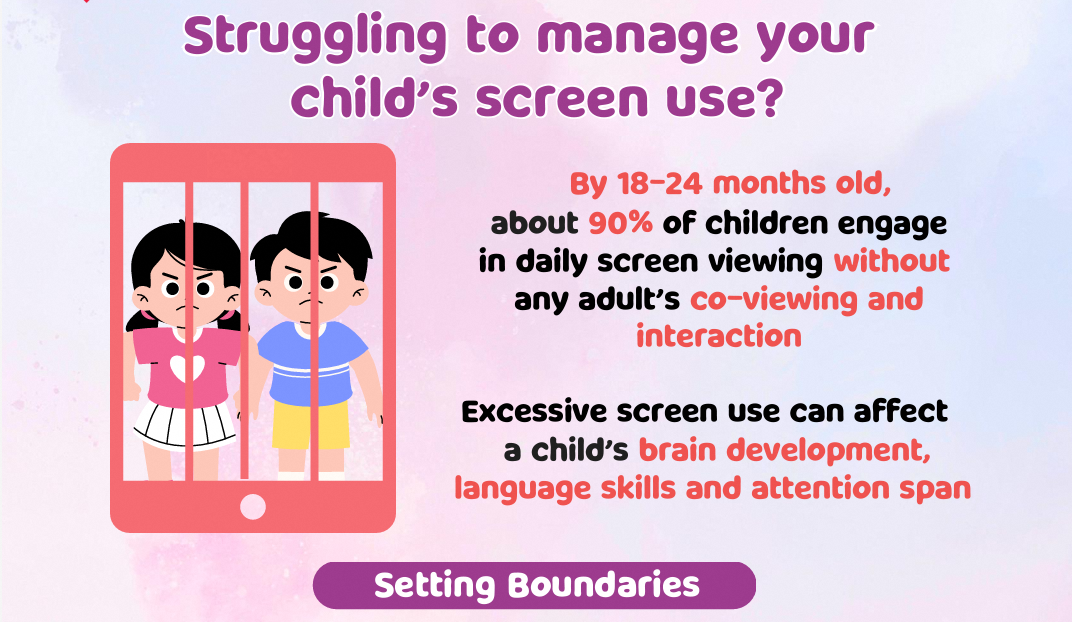
As technology continues to advance, children are spending more time in front of screens than ever before. While technology can offer many benefits, excessive screen time can have negative effects on a child’s development. Research has shown that too much screen time can lead to issues such as obesity, poor sleep, and delays in speech and language development. It is important for parents to manage their child’s screen time to ensure that it does not interfere with their overall development.
Setting Limits and Creating a Screen Time Schedule
One of the most effective ways to manage screen time is to set limits and create a schedule for when screens can be used. It is recommended that children under the age of 2 have no screen time at all, and that older children have no more than 1-2 hours of screen time per day. Parents should also consider the quality of the content that their child is consuming, and limit exposure to violent or inappropriate material.
Encouraging Physical Activity and Face-to-Face Interaction
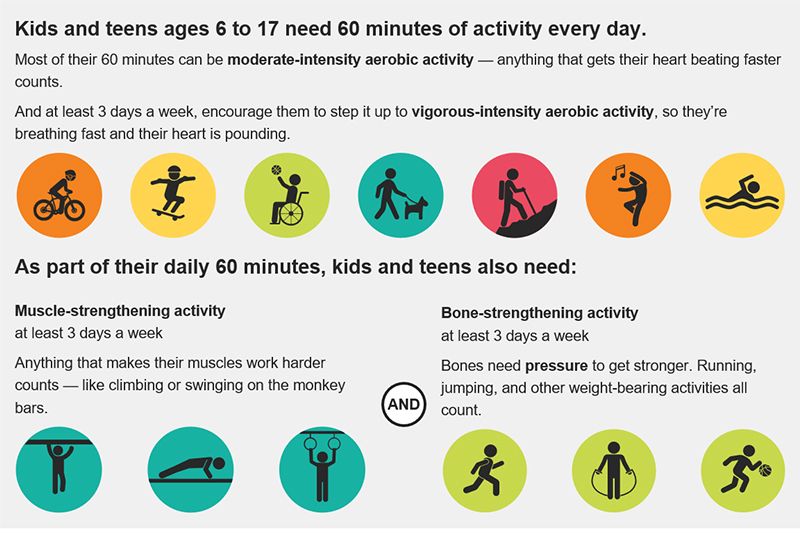
In addition to setting limits on screen time, parents should also encourage their child to engage in physical activity and face-to-face interaction. Physical activity is essential for a child’s overall development, and can help to counteract the negative effects of excessive screen time. Face-to-face interaction is also important for developing social skills and building relationships with others.
Monitoring and Supervising Screen Time
It is important for parents to monitor and supervise their child’s screen time to ensure that they are not spending too much time in front of screens. Parents should be aware of the content that their child is consuming, and be on the lookout for any signs of excessive screen time, such as fatigue or irritability. By monitoring and supervising screen time, parents can help to ensure that their child’s development is not being negatively impacted.
Creating Tech-Free Zones in the Home
To further reduce screen time and promote healthy development, parents can create tech-free zones in the home. This can include areas such as the dinner table, bedrooms, and play areas. By creating tech-free zones, parents can encourage their child to engage in other activities, such as reading, playing outside, or engaging in creative play.
Modeling Healthy Screen Time Habits
Finally, parents should model healthy screen time habits for their children. Children learn by example, so it is important for parents to demonstrate responsible screen use. This can include setting limits on their own screen time, prioritizing face-to-face interactions, and engaging in activities that do not involve screens. By modeling healthy screen time habits, parents can help to instill good habits in their children and promote better overall development.
Conclusion
In conclusion, managing screen time is essential for promoting better child development. By setting limits, creating a schedule, encouraging physical activity and face-to-face interaction, monitoring and supervising screen time, creating tech-free zones, and modeling healthy screen time habits, parents can help to ensure that their child’s development is not negatively impacted by excessive screen time. By taking a proactive approach to managing screen time, parents can promote healthy habits and behaviors that will benefit their child both now and in the future.