Sleep is crucial for overall health and well-being, especially for children who are still growing and developing. Adequate sleep plays a vital role in physical, emotional, and cognitive development. It is essential for children to get the right amount of sleep each night to support their growth and learning.
Age-Appropriate Sleep Recommendations
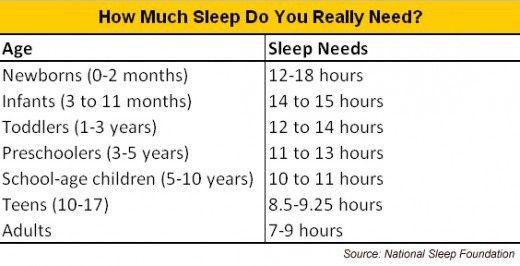
According to the American Academy of Pediatrics, the amount of sleep children need varies depending on their age:
Infants (0-12 months)
Infants need about 14-17 hours of sleep per day, including naps. Establishing a consistent bedtime routine can help babies develop healthy sleep habits.
Toddlers (1-2 years)
Toddlers should aim for 11-14 hours of sleep per day, including naps. It’s important to create a calming bedtime routine to help toddlers wind down and prepare for sleep.
Preschoolers (3-5 years)
Preschoolers need around 10-13 hours of sleep per day. Encouraging a consistent sleep schedule can help preschoolers get the rest they need to stay healthy and focused during the day.
School-Age Children (6-12 years)
School-age children should aim for 9-12 hours of sleep per night. As children get older, it can be challenging to balance schoolwork, extracurricular activities, and screen time with getting enough sleep. Establishing healthy sleep habits can help children prioritize rest.
The Impact of Inadequate Sleep on Children
Insufficient sleep can have a negative impact on children’s physical and mental health. Children who don’t get enough sleep may experience difficulties with attention, memory, and emotional regulation. Chronic sleep deprivation can also weaken the immune system and increase the risk of obesity and other health issues.
Tips for Promoting Healthy Sleep Habits in Children
Here are some tips to help children get the sleep they need:
Establish a regular bedtime routine
Create a sleep-friendly environment (dark, quiet, and cool)
Limit screen time before bed
Encourage physical activity during the day
Avoid caffeine and sugary snacks close to bedtime
Monitor children’s sleep patterns and adjust as needed
Conclusion
Ensuring that children get enough sleep is essential for their overall health and well-being. By following age-appropriate sleep recommendations and promoting healthy sleep habits, parents can help their children thrive and succeed. Prioritizing sleep is one of the best things parents can do to support their children’s growth and development.