
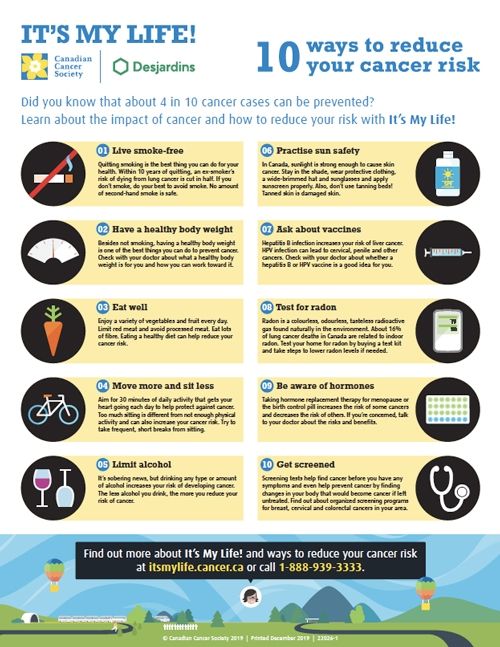
Cancer is a devastating disease that affects millions of people worldwide. While there is no way to completely eliminate the risk of developing cancer, there are steps you can take to lower your chances. Here are some tips to help you reduce your risk of cancer:
Healthy Diet
One of the most important ways to lower your cancer risk is to maintain a healthy diet. Eating a diet rich in fruits, vegetables, whole grains, and lean proteins can help reduce your risk of developing cancer. Avoiding processed foods, sugary drinks, and excessive red meat can also help lower your risk.
Regular Exercise
Regular physical activity is not only important for maintaining a healthy weight, but it can also lower your risk of cancer. Aim for at least 30 minutes of moderate exercise most days of the week, such as walking, biking, or swimming. Exercise can help boost your immune system, reduce inflammation, and lower your risk of cancer.
Avoid Tobacco
Smoking is one of the leading causes of cancer, so if you smoke, quitting is one of the best things you can do for your health. Avoiding secondhand smoke is also important, as it can increase your risk of cancer. If you need help quitting smoking, talk to your healthcare provider about resources and support.
Limited Alcohol Consumption
Drinking alcohol in moderation is generally safe, but excessive alcohol consumption can increase your risk of cancer. Limit your alcohol intake to no more than one drink per day for women and two drinks per day for men. If you have a history of alcohol abuse or a family history of cancer, it may be best to avoid alcohol altogether.
Sun Protection
Exposure to ultraviolet (UV) radiation from the sun can increase your risk of skin cancer. To protect your skin, wear sunscreen with a high SPF, cover up with clothing and hats, and seek shade during peak sun hours. Avoid indoor tanning, as it can also increase your risk of skin cancer.
Regular Screenings
Regular cancer screenings can help detect cancer early when it is most treatable. Depending on your age and risk factors, your healthcare provider may recommend screenings such as mammograms, colonoscopies, Pap smears, and skin checks. Talk to your provider about which screenings are right for you.
Manage Stress
Chronic stress can weaken the immune system and increase inflammation, both of which can increase your risk of cancer. Find healthy ways to manage stress, such as exercise, meditation, yoga, or talking to a therapist. Taking care of your mental health is just as important as taking care of your physical health.
Healthy Weight
Maintaining a healthy weight is important for lowering your cancer risk. Being overweight or obese can increase your risk of several types of cancer, including breast, colon, and prostate cancer. Aim to maintain a healthy weight through a balanced diet and regular exercise.
Stay Informed
Being informed about the latest research and guidelines for cancer prevention can help you make healthy choices for yourself and your loved ones. Stay up to date on recommendations from reputable sources such as the American Cancer Society, National Cancer Institute, and Centers for Disease Control and Prevention.
By following these tips and making healthy choices in your daily life, you can lower your risk of cancer and improve your overall health and well-being. Remember that prevention is always better than treatment when it comes to cancer, so take proactive steps to protect yourself and your loved ones.
This article provides valuable tips for lowering cancer risk and includes HTML markup for easy web publishing. Promote these tips to your audience and encourage them to prioritize their health and well-being.